Understanding Thunderstorm Warnings in Dallas
Stay informed about thunderstorm warnings and weather updates specific to Dallas. Learn how to prepare and stay safe during severe weather.
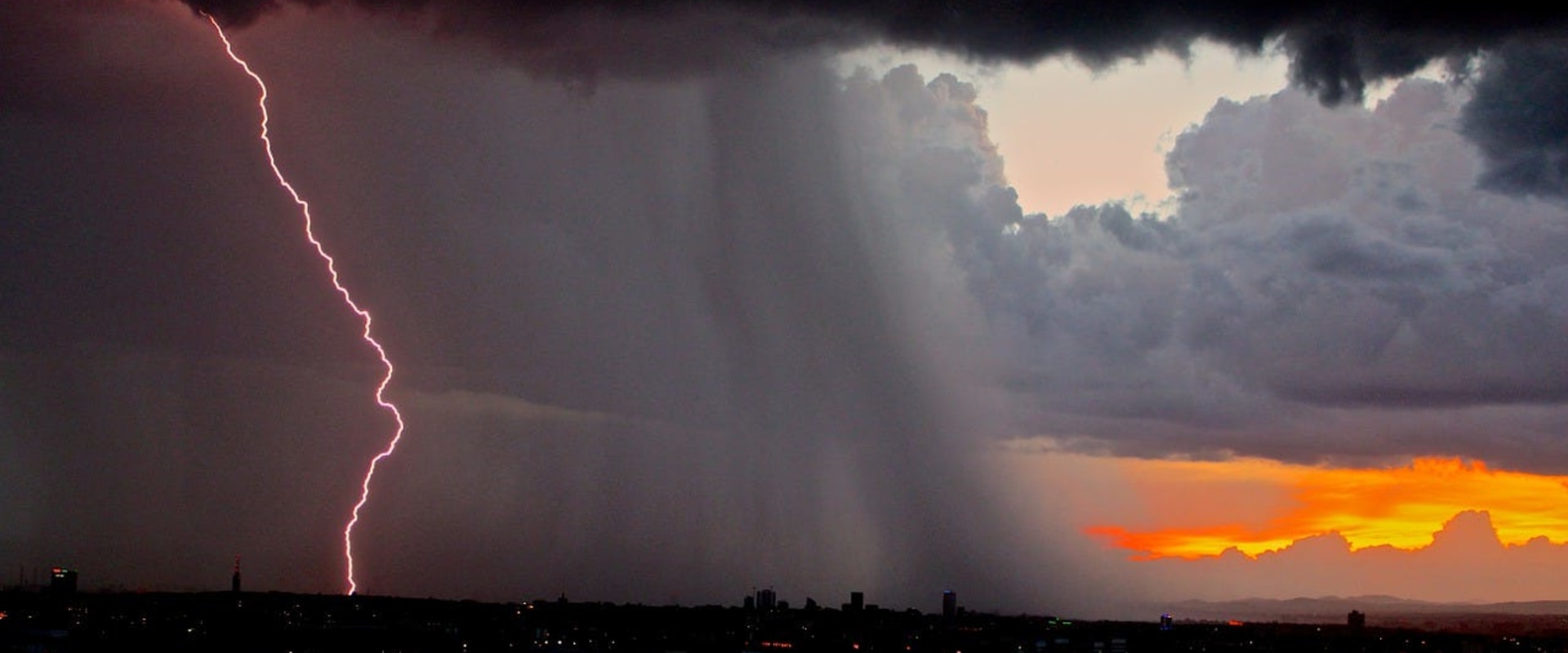
When it comes to the unpredictable nature of thunderstorms, knowledge is power. In Dallas, where summer storms can roll in with little warning, understanding thunderstorm warnings is crucial for keeping you and your loved ones safe. This article will delve into the intricacies of thunderstorm warnings, helping you grasp not only what they mean but also how to respond effectively when they are issued. Each year, countless residents face the threat of severe weather, and thunderstorms can bring with them a host of dangers, including high winds, hail, and flash flooding. By familiarizing yourself with the specific terminology and classifications associated with thunderstorm warnings, you can be better prepared to take action and safeguard your home.
So, whether you're a long-time Dallas resident or new to the area, this guide will equip you with essential information about thunderstorm warnings.Join us as we explore the criteria that trigger these alerts, the different types of warnings issued by meteorologists, and practical steps you can take when a storm approaches. Empower yourself with knowledge and ensure that when a thunderstorm strikes, you're ready to weather the storm. In Dallas, understanding thunderstorm warnings is critical for ensuring public safety, given the region's vulnerability to severe weather. Thunderstorms can develop rapidly and pose significant threats, including damaging winds, heavy rain, hail, and lightning. Therefore, being aware of the criteria that define a thunderstorm warning is essential for residents and visitors alike. A thunderstorm warning is issued when meteorologists have determined that a thunderstorm is occurring or imminent in a specific area.
This distinction is crucial as it indicates a higher level of threat compared to a thunderstorm watch, which merely suggests that conditions are favorable for thunderstorms to develop. The National Weather Service (NWS) issues these alerts based on real-time weather observations and forecasts, utilizing advanced technology such as Doppler radar. This radar system allows meteorologists to detect precipitation intensity, storm rotation, and other crucial factors that contribute to the severity of thunderstorms. Recent examples of thunderstorms in the Dallas area illustrate the impact these weather events can have on local communities. In May 2023, a significant thunderstorm swept through the region, producing winds exceeding 60 mph and large hailstones.
The storm disrupted numerous outdoor events and led to temporary power outages affecting thousands of residents. Such instances highlight the importance of timely thunderstorm warnings, as they provide valuable information that can help residents take necessary precautions. Severe thunderstorms commonly exhibit several symptoms, including heavy rainfall that can lead to flash flooding, intense lightning strikes that pose fire hazards, and hail that can damage property and vehicles. To prepare for impending storms, residents should have an emergency kit ready, which includes essential items such as non-perishable food, water, flashlights, batteries, first aid supplies, and important documents. Additionally, it is advisable to secure outdoor furniture and equipment that could become projectiles in high winds. While technology has improved the accuracy of weather forecasts significantly, there are still areas of disagreement regarding their reliability.
Some individuals may question the validity of forecasts based on past experiences with overblown warnings or discrepancies in predictions. However, it is crucial to emphasize the importance of following official updates from local news outlets and the NWS. These sources provide the most accurate and timely information available, allowing residents to make informed decisions during severe weather events. In summary, comprehending thunderstorm warnings and their implications is vital for safety in Dallas. By staying informed through reliable channels and preparing adequately for severe weather conditions, residents can enhance their readiness for thunderstorms and minimize risks associated with these powerful natural phenomena.
What is a Thunderstorm Warning?
A thunderstorm warning is an official alert issued by meteorological authorities to inform the public that a thunderstorm is occurring or imminent in a specific area.These warnings are crucial as they indicate the potential for severe weather conditions that can pose a threat to life and property. The criteria for issuing a thunderstorm warning typically include the observation of severe thunderstorm characteristics such as strong winds exceeding 58 miles per hour, hail larger than one inch in diameter, or the presence of tornado activity. Meteorologists utilize radar technology, satellite imagery, and ground-based observations to assess the development and movement of thunderstorms. When a thunderstorm warning is issued, it means that conditions are favorable for the development of severe weather, and residents are urged to take immediate precautions. This may involve seeking shelter, staying indoors, and keeping informed through weather updates to ensure safety during such events.
Recent Thunderstorm Events in Dallas
Dallas has experienced several notable thunderstorm events in recent months, showcasing the region's vulnerability to severe weather. For instance, in May 2023, a significant thunderstorm swept through the area, bringing with it damaging winds and heavy rainfall.This storm resulted in localized flooding, downed power lines, and extensive damage to homes and businesses across several neighborhoods. Local news outlets reported extensively on this event, highlighting the swift response of emergency services and the community's efforts to recover. Coverage included live updates on the storm's progression, safety tips for residents, and information on road closures due to flooding. The impact of the thunderstorm was felt widely, with many residents sharing their experiences and photos on social media, further emphasizing the need for preparedness during such weather events. Another significant occurrence happened in July 2023 when a series of thunderstorms led to severe hailstorms affecting parts of North Dallas. The hail caused substantial damage to vehicles and rooftops, prompting immediate warnings from local meteorologists.
News reports emphasized the importance of staying indoors during the storm and provided updates on the estimated size of the hailstones, which were reported to be as large as golf balls. These recent thunderstorm occurrences serve as a reminder of Dallas's susceptibility to severe weather and underline the critical importance of monitoring thunderstorm warnings. As storms can develop rapidly, being informed allows residents to take necessary precautions to ensure their safety and minimize damage.
Staying Informed: Where to Get Updates
Staying informed about thunderstorm warnings is crucial for ensuring safety during severe weather events in Dallas. With the potential for sudden and severe thunderstorms, it is essential to rely on reliable local sources for timely updates. One of the most traditional yet effective sources is local radio stations. Stations such as WBAP 820 AM and KERA 90.1 FM provide continuous weather updates and emergency alerts.These stations often have dedicated segments for severe weather, making them a trustworthy option.
Television news
channels also play a significant role in disseminating important weather information. Stations like WFAA Channel 8, NBC 5 Dallas-Fort Worth, and CBS 11 provide regular weather reports, especially during severe weather events. Their experienced meteorologists offer insights into the severity and potential impact of thunderstorms, helping residents prepare accordingly. In today’s digital age, social media platforms have become indispensable for real-time updates. Following local meteorologists and news stations on platforms like Twitter and Facebook can provide instant alerts and information.Additionally, the National Weather Service (NWS) has an active presence on social media, offering updates on severe weather alerts and safety tips. Finally, consider downloading weather apps that specialize in local forecasts and alerts. Apps such as The Weather Channel and AccuWeather allow users to set up notifications for thunderstorm warnings, ensuring that you receive immediate updates wherever you are.
How to Prepare for a Thunderstorm
Preparing for a thunderstorm is essential for ensuring the safety of you and your loved ones. Here are some practical tips to help you stay safe during these severe weather events:Stay Informed: Keep up-to-date with the latest weather forecasts and thunderstorm warnings through local news, weather apps, or NOAA Weather Radio. Knowing when a storm is approaching can give you time to prepare.Create an Emergency Kit:
Assemble an emergency kit that includes essential items such as water, non-perishable food, flashlights, batteries, a first-aid kit, and any necessary medications.Ensure that this kit is easily accessible in case of a sudden storm.
Secure Your Property:
Before a thunderstorm hits, take steps to secure your home. Bring in outdoor furniture, decorations, and any items that could become projectiles in high winds. Also, ensure that windows and doors are closed and secured.Identify Safe Locations:
Designate a safe area in your home where you can take shelter during a thunderstorm. This should ideally be a small, windowless interior room on the lowest level of your house, such as a basement or an interior hallway.Avoid Electrical Appliances:
During a thunderstorm, avoid using electrical appliances and devices to minimize the risk of electric shock.Unplug electronics if possible to protect them from power surges.
Stay Indoors:
The safest place to be during a thunderstorm is indoors. Avoid going outside unless absolutely necessary, especially if there is lightning or severe winds.Plan for Power Outages:
Thunderstorms can cause power outages. Have alternative light sources like candles or battery-powered lanterns ready and consider keeping your mobile devices charged. By following these preparation strategies, residents of Dallas can enhance their safety and readiness during thunderstorms, minimizing risks and ensuring better outcomes for themselves and their families. In conclusion, understanding thunderstorm warnings is crucial for residents in Dallas, a region known for its vulnerability to severe weather. We explored what a thunderstorm warning entails, highlighted recent events that have impacted the area, and discussed essential preparation strategies to ensure safety during these storms.Staying informed is key; utilizing reliable sources for weather updates can make a significant difference in your preparedness and response. We encourage you to remain vigilant and connected with local news outlets for the latest updates on thunderstorm warnings. Being proactive can help safeguard you and your loved ones when severe weather strikes.