Exploring the Influence of Immigration on Dallas Culture
Discover how immigration shapes the cultural landscape of Dallas, influencing community events, traditions, and local identity.
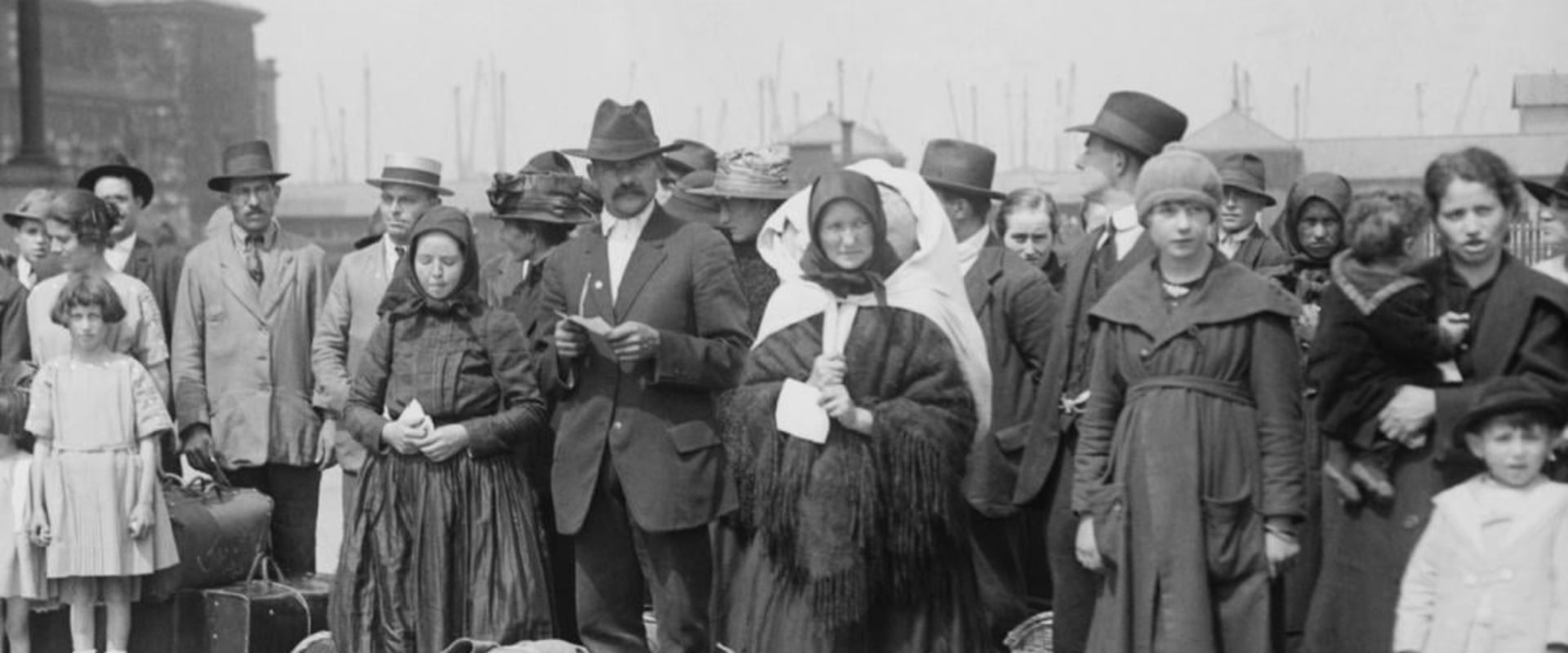
Dallas, a bustling metropolis in the heart of Texas, has long been a melting pot of cultures, ideas, and traditions. As the city continues to grow and evolve, one of the most significant forces shaping its identity is immigration. The impact of immigration on local culture is profound, weaving a rich tapestry of experiences that reflect the diverse backgrounds of its residents. From vibrant festivals celebrating heritage to innovative culinary scenes that blend flavors from around the world, the influence of immigrants is evident in every corner of this dynamic city. In this article, we will embark on a journey through Dallas's neighborhoods and communities, exploring how newcomers have transformed the cultural landscape.
We will dive into personal stories that highlight the resilience and creativity of individuals who have come to call Dallas home. By examining the intersection of tradition and modernity, we aim to uncover how immigration not only enriches local culture but also fosters a sense of community and belonging. Join us as we celebrate the diverse voices that contribute to the vibrant culture of Dallas, revealing the undeniable impact of immigration on local culture. Whether you're a long-time resident or a curious visitor, this exploration promises to offer fresh insights into what makes Dallas truly unique. Dallas stands as a vibrant testament to the power of immigration, showcasing a rich tapestry of cultures that have collectively shaped its identity. The city's culinary landscape is one of the most visible manifestations of this cultural melting pot.
Immigrant-owned restaurants have proliferated, offering an array of global cuisines that cater to diverse palates. For example, Mexican eateries such as Tacodeli and Mi Cocina not only serve authentic dishes but also celebrate the deep-rooted connections between food and community. Similarly, Asian influences can be experienced at places like Pho Fusion, which has become a local favorite for its delicious Vietnamese noodle soup. The culinary diversity in Dallas extends beyond mere dining; it represents stories of resilience and heritage. Many immigrant restaurateurs share anecdotes of their journeys, illustrating how their culinary traditions were passed down through generations.
Such stories enhance the dining experience and create a sense of belonging among patrons who may share similar backgrounds or simply appreciate the flavors of different cultures. In addition to food, festivals play a pivotal role in celebrating the myriad heritages present in Dallas. Events like the Dallas International Festival serve as platforms for cultural exchange, where attendees can immerse themselves in performances, art displays, and traditional dances from around the world. This festival highlights the contributions of various communities, showcasing everything from African drumming to Indian classical dance. These celebrations foster a spirit of unity, allowing residents to engage with cultures different from their own while also reinforcing their own cultural identities. Moreover, the local arts scene has been profoundly influenced by immigration.
Artists from diverse backgrounds bring fresh perspectives and innovative ideas that enrich Dallas’s cultural narrative. The work of artists like Ruben C. Gonzalez, who creates murals celebrating Hispanic heritage, exemplifies how immigrant voices contribute to the city's artistic expression. Galleries and art exhibits often feature works that reflect the immigrant experience, addressing themes of identity, belonging, and social issues, thus inviting discourse among viewers. However, the integration of diverse cultures is not without its challenges.
Instances of social tension can arise as communities navigate differences in customs and values. Some long-time residents may express concerns about preserving local traditions or fear economic competition from new businesses. Yet, these challenges often spark important conversations about inclusivity and understanding. Local leaders and residents frequently advocate for dialogue and collaboration as means to bridge divides. For instance, Angela Hurst, a community organizer in Dallas, shares her insights: "While differences can lead to misunderstandings, they also offer opportunities for growth and learning.
When we come together to celebrate our differences, we strengthen our community fabric." Such sentiments echo throughout neighborhoods where residents actively participate in cross-cultural initiatives aimed at fostering mutual respect. Anecdotes from Dallas residents also reflect varying opinions on immigration's impact. Some express pride in the cultural richness brought by newcomers, while others may voice apprehension about rapid changes in their neighborhoods. Balancing these perspectives is crucial for maintaining harmony within the community. Ultimately, despite the challenges posed by cultural integration, the positive contributions of immigration to Dallas's identity are undeniable. The city's dynamic landscape—characterized by its culinary delights, vibrant festivals, and thriving arts scene—demonstrates how immigration serves as a catalyst for cultural enrichment.
As Dallas continues to evolve, it will undoubtedly remain a shining example of how diverse cultures can coexist and flourish together.
Community Integration and Challenges
The integration of immigrant populations into the fabric of Dallas culture presents a complex landscape of both opportunity and challenge. As new communities settle in the city, they bring with them rich traditions, languages, and perspectives that contribute to the vibrant mosaic of Dallas. However, the relationship between long-time residents and newcomers is not always harmonious. While many residents embrace the cultural diversity that immigration fosters, there can be moments of of immigrant populations into the fabric of Dallas culture presents a complex landscape of both opportunity and challenge. As new communities settle in the city, they bring with them rich traditions, languages, and perspectives that contribute to the vibrant mosaic of Dallas. However, the relationship between long-time residents and newcomers is not always harmonious. While many residents embrace the cultural diversity that immigration fosters, there can be moments of tension stemming from differences in lifestyle, language barriers, and economic competition. These challenges can lead to misunderstandings and even conflict in some neighborhoods. On the positive side, there are numerous examples of successful community integration.Local organizations and initiatives work tirelessly to bridge gaps between cultures through events, workshops, and community dialogues. These efforts not only promote understanding but also highlight the shared values and goals of diverse groups living side by side. Moreover, many long-time residents benefit from the cultural exchange that immigration brings. New culinary offerings, artistic influences, and festivals enrich the community's social landscape, creating opportunities for collaboration and mutual enrichment. Ultimately, the journey towards successful integration is ongoing. It requires a commitment from both immigrant populations and long-time residents to engage with one another, recognize shared interests, and cultivate a community that celebrates its diversity while addressing the challenges that arise.
The Arts Scene: A Melting Pot of Talent
Immigration has played a pivotal role in shaping the vibrant arts scene of Dallas, resulting in a dynamic cultural landscape that reflects the city's rich tapestry of influences.As new residents bring their unique backgrounds and traditions, they contribute to a flourishing environment where various artistic expressions can coexist and thrive. In recent years, Dallas has seen an influx of artists, musicians, and performers from around the globe. This diversity enriches the local culture, introducing new genres of music, innovative art forms, and multicultural performances that resonate with audiences. For instance, the city's music scene now features everything from traditional mariachi bands to contemporary hip-hop artists, showcasing the breadth of talent that immigration fosters. The visual arts have also been significantly impacted by the influx of diverse perspectives. Local galleries and art districts frequently exhibit works from international artists, often blending traditional techniques with modern interpretations.
This fusion not only enhances the aesthetic appeal of the city but also encourages dialogue between different cultural narratives. Theater and performance art in Dallas have similarly evolved through the contributions of immigrant communities. Companies dedicated to showcasing multicultural stories and performances are becoming increasingly popular, allowing for a richer understanding of the human experience through diverse lenses. Festivals celebrating global cultures are now commonplace, providing platforms for local talents to share their heritage with a broader audience. Ultimately, the impact of immigration on Dallas's arts scene cannot be overstated. It has transformed the city into a thriving hub of creativity where diverse voices are heard and celebrated.
As Dallas continues to grow as a melting pot of talent, it stands as a testament to how immigration can enhance cultural vibrancy and foster community connections.
Culinary Diversity in Dallas
Dallas has emerged as a vibrant tapestry of culinary traditions, thanks in large part to its diverse immigrant communities. Each group has brought its unique flavors, ingredients, and cooking techniques, creating a rich food scene that reflects the city’s multicultural identity. One can find authentic Mexican tacos served from food trucks alongside gourmet Vietnamese pho in local restaurants. This blend not only showcases the variety of dishes available but also illustrates how immigrant communities have transformed the local palate. Recent statistics indicate that over 25% of Dallas' population is foreign-born, which means that many residents are eager to explore and celebrate the cuisines of their heritage. The impact of immigration on Dallas' food culture goes beyond mere availability; it fosters a sense of community and connection among residents.Restaurants like Pecan Lodge and Tei-An exemplify this fusion of cultures, where traditional recipes meet innovative culinary practices. Food festivals such as the Dallas Vegan Food Festival and the Taste of Dallas highlight this rich diversity, bringing together chefs and food lovers to celebrate flavors from around the world. The influence of immigration extends into the realm of grocery stores as well. Markets specializing in international foods have sprung up throughout the city, allowing residents to access authentic ingredients and explore new cooking styles at home. This accessibility not only supports local economies but also encourages culinary experimentation among Dallas residents. As we delve deeper into the culinary landscape of Dallas, it becomes clear that the city’s food scene is a testament to the resilience and creativity of its immigrant populations.
Their contributions have not only enhanced the dining experience but have also played a crucial role in shaping Dallas' identity as a welcoming and diverse city.
Cultural Festivals and Celebrations
Dallas is a city that thrives on its cultural diversity, and this is vividly showcased through its numerous festivals and celebrations. Each year, the city hosts a variety of events that not only honor different cultural heritages but also foster a sense of community among its residents. From vibrant parades to traditional dances, these festivals reflect the rich tapestry of cultures that make up Dallas. One of the most notable events is the Dallas International Festival, which celebrates the diverse backgrounds of its residents through music, art, and cuisine from around the globe. This festival attracts thousands of attendees each year, all eager to experience the sights and sounds of international cultures.Visitors can indulge in traditional dishes, watch performances from local artists, and participate in workshops that highlight various cultural practices. Another prominent celebration is the Mexican Independence Day Parade, held annually in September. This parade features colorful floats, mariachi bands, and traditional folk dancers, bringing together the Mexican community and showcasing the significance of their culture in Dallas. The event not only serves as a celebration but also as a reminder of the contributions of Mexican immigrants to the city's development. The Asian Festival, which highlights the rich heritage of Asian communities in Dallas, is another key event. It features a wide array of cultural performances, food stalls offering authentic Asian cuisine, and activities for families.
This festival promotes understanding and appreciation of Asian cultures while providing a platform for local artists to showcase their talents. Additionally, the Dallas Pride Parade stands out as a vibrant celebration of the LGBTQ+ community and their allies. This event not only promotes acceptance and equality but also emphasizes the importance of inclusivity within Dallas' diverse cultural landscape. With colorful floats and spirited performances, it draws participants from various backgrounds, reinforcing the idea that diversity is a strength. Through these festivals and many others, Dallas exemplifies how immigration has enriched its local culture. They serve as a testament to the city's commitment to honoring its multicultural identity, fostering community connections, and celebrating the unique contributions of each cultural group. In conclusion, the exploration of immigration in Dallas reveals a vibrant tapestry woven from various cultural threads.
From the rich culinary diversity that tantalizes our taste buds to the lively cultural festivals that fill our calendars, it is clear that each immigrant community has brought unique flavors and traditions that enhance the overall fabric of our city. The arts scene in Dallas stands as a testament to this blending, showcasing the talents of individuals from diverse backgrounds who contribute to our cultural landscape. Moreover, while we celebrate these contributions, we must also acknowledge the community integration challenges that arise. Understanding and embracing these complexities is crucial for fostering a truly inclusive environment. As we reflect on the impact of immigration, it becomes evident that it is not just an aspect of Dallas' past but a vital component of its identity and future. We encourage readers to appreciate and engage with the diverse cultural contributions within their community.
Attend local events, support immigrant-owned businesses, and participate in celebrations that honor the rich diversity of Dallas. By doing so, we can all play a part in nurturing a culture of inclusivity and understanding. Attend local events, support immigrant-owned businesses, and participate in celebrations that honor the rich diversity of Dallas. By doing so, we can all play a part in nurturing a culture of inclusivity and understanding.